More about cocoa
Cacao is much more than an ingredient for hot cocoa and brownies. It adds depth, color, aroma, and character to everything from baked goods and desserts to smoothies and hot drinks. But did you know that the choice of cacao can have a major impact on the final result?
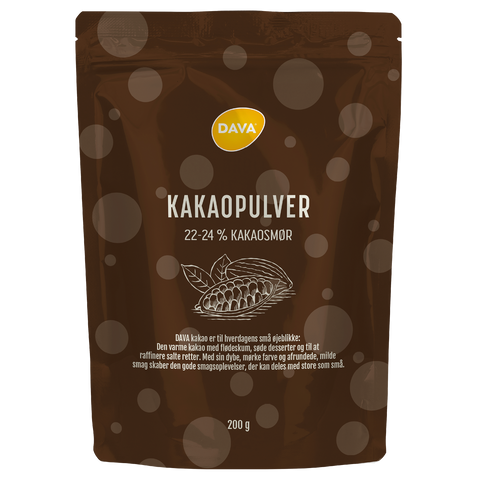
DAVA cocoa powder
At DAVA, we offer alkalized cocoa powder, which is particularly suitable for cooking and baking where you want a round and rich cocoa flavor as well as a beautiful dark brown color. On this page, we dive into what cocoa actually is, what functional properties it has, and what the difference is between alkalized cocoa and non-alkalized cocoa.

What is cocoa?
Cocoa is made from the beans of the cacao tree (Theobroma cacao). After fermentation, drying, and roasting, the beans are processed into cocoa mass, from which a large part of the fat, cocoa butter, is pressed out. The solid residue is ground into cocoa powder. Cocoa has a characteristic bittersweet taste, and it is the basic ingredient in both cocoa powder and chocolate.
Why is cocoa used in cooking?
Cocoa primarily contributes a cocoa flavor, but it can do much more.
Flavor
First and foremost, cocoa adds depth and complexity to the flavor. The many natural aromatic compounds provide notes of cocoa, coffee, nuts, and caramel, which can support both sweet and more sophisticated flavor profiles.
Color
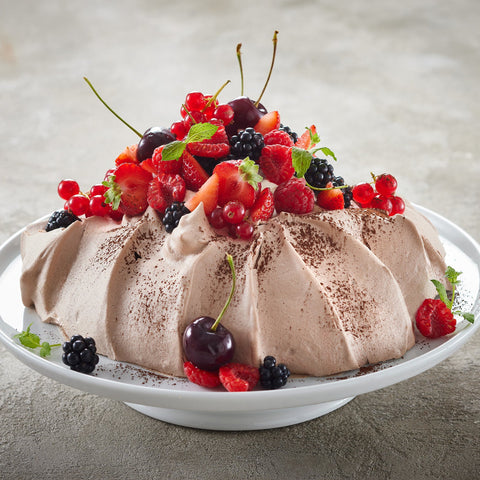
Cocoa also has a significant impact on the color. Alkalized cocoa powder, in particular, gives baked goods, desserts, and drinks a dark, intense brown color that many associate with a rich chocolate taste.
Texture
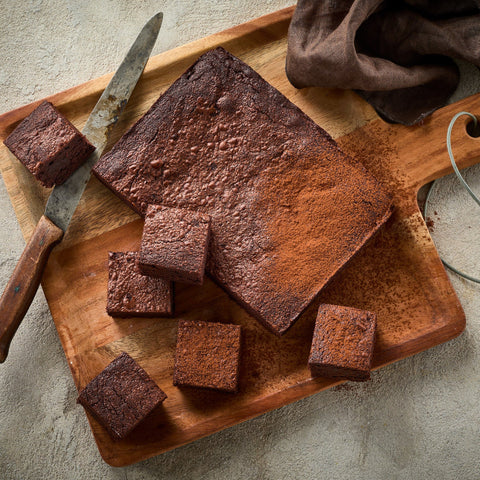
In addition, cocoa powder affects the texture in recipes. Cocoa powder absorbs liquid and contributes to the characteristic consistency in, for example, brownies, muffins, and cakes.
What does it mean that cocoa is alkalized?
Alkalized cocoa - also called Dutch-processed cocoa or Dutch cocoa - is cocoa that has been treated with an alkaline solution. The purpose is to reduce the natural acidity of the cocoa and create a more rounded flavor profile, which, among other things, makes the cocoa powder milder in taste. The process was developed by the Dutchman Coenraad van Houten in the 19th century.
Alkalization provides several benefits:
- A rounder and less bitter taste
- A darker color
- Better solubility in liquids
- A more consistent taste experience
When should you choose alkalized cocoa?
Alkalized cocoa is particularly suitable when you want a classic and rounded chocolate flavor without too much acidity and bitterness.
It works especially well for: Hot cocoa, brownies, chocolate cakes, muffins, desserts, ice cream, milkshakes, and smoothies.
You should choose non-alkalized cocoa when you want a more intense and complex cocoa flavor with natural acidity and a bit more bitterness.

Which flavors pair well with cocoa?
Cocoa is a versatile ingredient that can be combined with many different flavor profiles.
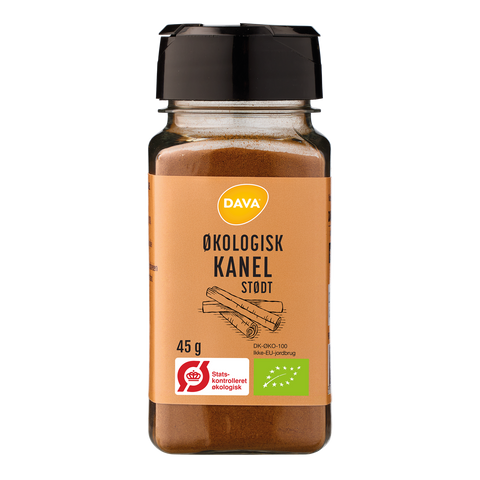
Classic baking spices such as vanilla, cinnamon, cardamom, and pumpkin spice enhance the warm notes of the cocoa.
Fruit such as orange, raspberry, cherry, and pear creates freshness and contrast.
Nuts such as hazelnuts, almonds, and walnuts support the cocoa's natural roasted character.
Coffee is another obvious ingredient, as cocoa and coffee share many of the same aromatic compounds. Therefore, they enhance each other's flavors.
Finally, a pinch of sea salt or flaky salt can highlight both the sweetness and the cocoa flavor in a dessert.
Psst! Did you know? The improved solubility of alkalized cocoa powder also makes the cocoa easier to work with in both cold and hot liquids. We heard someone rattling a whisk to make hot cocoa...