Choose the best spices
1. Look for quality and freshness
Taste and aroma are the most important indicators of a good spice. A fresh spice has a distinct scent, and its color is clear and natural. If the aroma is weak or the color is dull, it is a sign that the flavor is fading.
2. Whole spices provide the most flavor
Whole spices, such as peppercorns, cumin seeds, and cardamom pods, retain their aromatic oils far better than ground spices. Whole spices are particularly good to use in stews or when pickling. Here, the spices can simmer or steep to release their aroma. Alternatively, grind them just before use for a more intense and well-rounded flavor in your food.
3. Use those that suit your cooking
Some spices are mild and rounded, such as paprika and mild curry, which provide warmth without dominating, while others are deep and complex. Deep and complex spices can include cinnamon, cardamom, cumin, or cloves, which add intensity, depth, and aromatic layers. The more you get to know their character, the easier it is to build flavor layer by layer.
How to store your spices
Storage is one of the biggest culprits when spices lose their flavor – and fortunately, it is something you can easily optimize.
1. Protect spices from light, heat, and moisture
Store them in a dark cupboard or drawer, away from the stove. Heat, moisture, and direct sunlight cause spices to lose their flavorful oils.
2. Use airtight containers
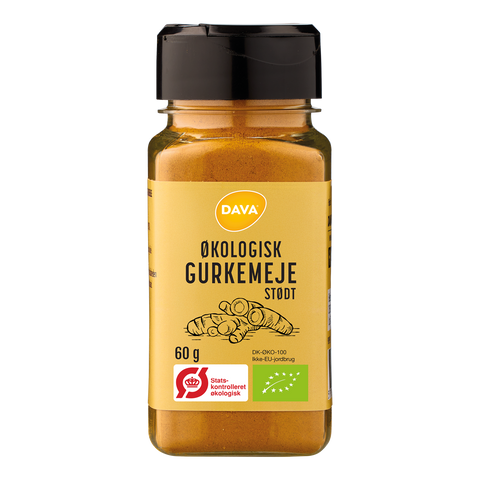
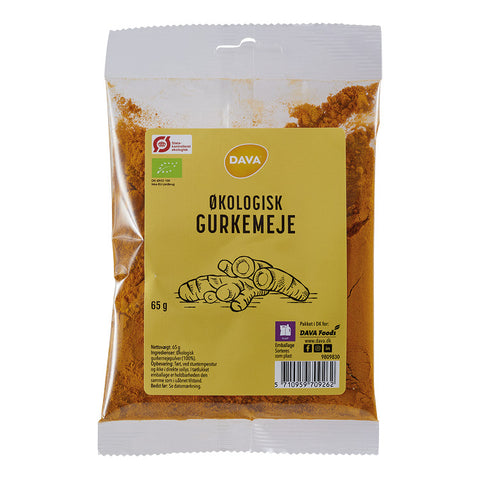
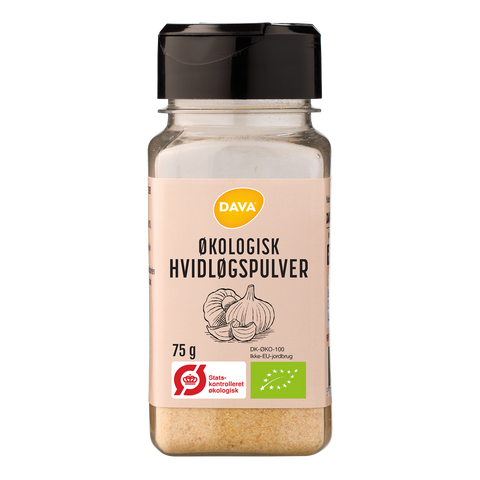
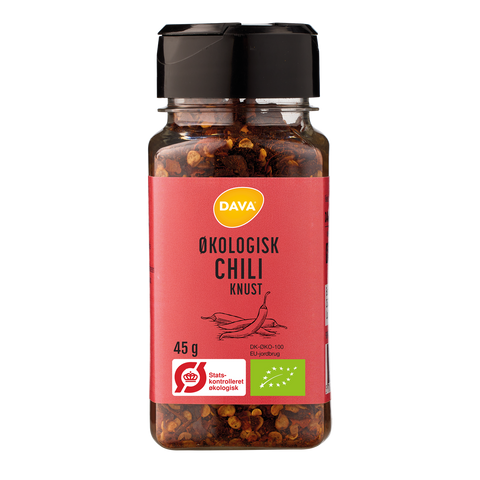
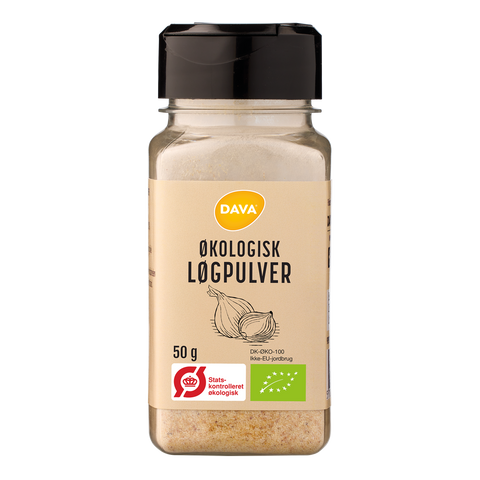
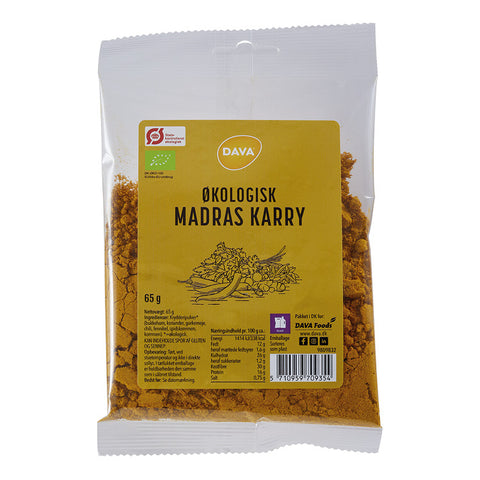
Glass, plastic, or metal jars with a good seal extend shelf life and protect against air and moisture. Spices in plastic bags should be transferred to a more protective container once opened, as plastic bags are not as effective at containing the aroma.
3. Avoid steam from the pot
Steam causes spices to clump and lose flavor. Therefore, never sprinkle directly from the spice jar into a steaming pot – pour a little into your hand or onto a spoon first.
4. How long do spices last?
Spices rarely go bad, but they lose aroma over time. Typically, they are most flavorful for 2–3 years, depending on the type and storage. Whole spices generally last longer than ground spices.
How to get the most out of the flavor
1. Toast the spices lightly
A quick toast in a dry pan helps the oils in many spices to open up. Spices like cumin and coriander seeds in particular become more aromatic.
2. Grind them yourself when it makes sense
When you grind whole spices directly into the dish, you get a fresher and fuller flavor. A mortar and pestle or a spice mill are great tools.
3. Add the spices at the right time
- Dried, ground spices, including dried herbs, develop flavor best when given time to simmer.
- Fresh herbs are best added just before serving to preserve color and aroma.
4. Season in stages
Build the flavor little by little. It is easier to add more flavor along the way – for example with salt – than to save a dish that has been over-seasoned.
Types of spices
Herbs
Herbs are typically the leaves of the plant, and they provide a green and fresh flavor. They can be fresh or dried, and many, such as oregano, thyme, and rosemary, are fantastic in both long-simmered dishes and as a finishing touch.
Spices
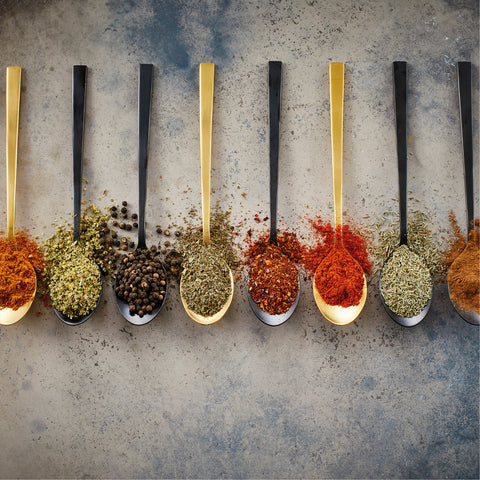
Spices come from the seeds, bark, roots, or flower buds of the plant. They are often more powerful than herbs and provide warmth, depth, and character. Examples include ginger, cardamom, cinnamon, and cloves.
Spice blends
Spice blends are composed to easily provide a balanced flavor profile. They can range from simple barbecue blends to complex combinations like garam masala. Blends make it easy to hit the same flavor every time – both for you, cooking at home, and for professionals.
5 facts about spices
- Whole spices can retain their flavor for several years longer than ground ones.
- Light, air, and heat are the biggest reasons spices lose their flavor. Keep them stored in a dark and dry place.
- Spices rarely become dangerous to eat even if they are old – they just lose their flavor.
- Toasting or heating releases aromatic oils and provides a deeper flavor.
- Spices contribute flavor – and help highlight the flavor of the ingredients, which is why it is always a good idea to at least season with salt and pepper.
Spices are small flavor bombs, but only if they are treated correctly. By choosing good products, storing them properly, and using them intentionally, you can get far more out of every single jar in the kitchen.