Why do we use salt in cooking?
First of all, salt is one of our basic tastes and plays a decisive role in how we experience flavor in general. When you add salt, other flavors in the dish become more apparent. This is due, among other things, to the fact that salt dampens bitterness and enhances sweetness and umami, which makes the taste experience more balanced and intense.
However, salt plays a far greater role than just making food “salty”. In fact, it is a key ingredient that affects both flavor, texture, and shelf life.
Salt also affects the structure of foods. When salt comes into contact with, for example, meat, it affects the proteins and helps to bind moisture. This means the meat can become juicier and more tender. In vegetables, salt has the opposite effect – here, it draws out moisture, which can concentrate the flavor and change the consistency.
Salt also has an important function when it comes to shelf life. By binding water, salt makes it harder for bacteria to grow, which is the reason why it has been used for centuries to preserve food like fish, meat, and vegetables.
Finally, salt also plays a technical role in the preparation itself. It can, among other things, improve the flavor of soups and sauces, as well as affect the structure of baked goods by strengthening gluten.
When should you salt your food?
The time at which you add salt has a significant impact on the result.
If you salt well in advance before cooking, the salt has the opportunity to penetrate the raw ingredient. This is especially advantageous for meat, where it can provide a more uniform flavor and a juicier consistency. Example: Place a pork neck for pulled pork in brine (water with salt) in the refrigerator overnight before adding marinade to get more tender and juicy meat. If you salt vegetables before cooking, it helps to draw out excess moisture.
During cooking, salt acts as a flavor regulator. Here, it dissolves in the liquid and is distributed evenly in the dish, which makes it easier to build a balanced flavor – especially in soups, sauces, and stews.
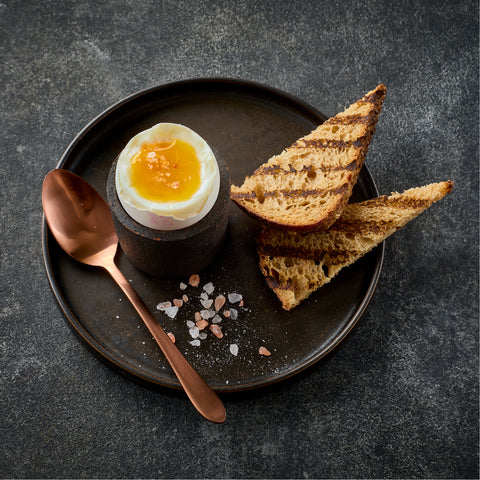
When the dish is finished, you can advantageously add a little salt at the end. This is often called “finishing”. Here, it is not just about taste, but also about the experience. Coarser salt such as flake salt provides small, intense bursts of flavor and a crunchy texture that can significantly elevate a finished dish.
Pssst... Salt can also be used as a "finishing" touch for the sweet kitchen - for example, you can sprinkle flake salt over your chocolate chip cookie to get the best flavor composition between sweet, bitter, and salty.
| Timing | What happens | When to do it |
|---|---|---|
| Before cooking | Salt penetrates the ingredient and affects proteins, so the flavor becomes more even and meat can become juicier | Use for meat, fish, and vegetables where you want deep flavor and better consistency |
| During cooking | Salt dissolves and is distributed in the dish, so the flavors are balanced and developed continuously | Use in soups, sauces, pasta and potato water, as well as stews |
| After cooking | Salt remains on the surface and provides small intense taste experiences as well as texture | Use as finishing on, e.g., steak, salads, vegetables, or desserts |
Is there a difference between the different types of salt?
There are many different types of salt, and it can quickly become overwhelming to choose. Chemically speaking, however, the difference is small, as most salts consist of about 97–99% sodium chloride.
The differences lie instead in structure, texture, origin, and taste experience.
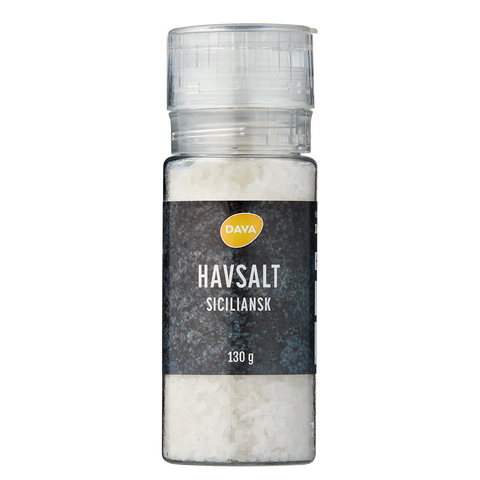
Sea salt, for example from Sicily, is produced by evaporating seawater. It contains small amounts of other minerals that can provide a more nuanced flavor. At the same time, it is often available in larger crystals or flakes, which makes it obvious as a finishing salt on dishes.
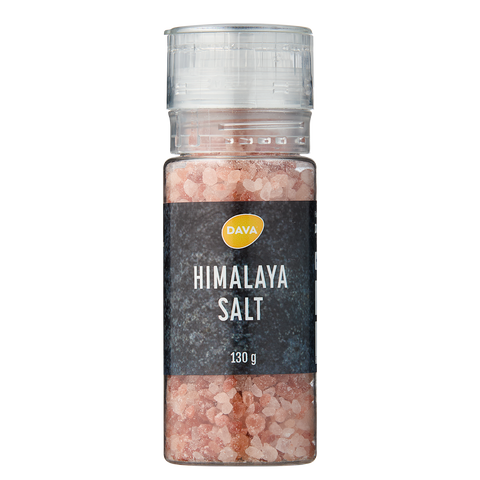
Himalayan salt is a rock salt that is extracted from mines and is known for its pink color, which stems from traces of iron. The difference in both taste and nutrition is minimal; on the other hand, Himalayan salt can contribute as a visually beautiful element in the presentation.
Fine table salt is the most processed type and consists almost exclusively of sodium chloride. In Denmark, it is often enriched with iodine, which is important for the body's functions. This type is suitable when you need precise dosage, for example in baking or when salting water.
Flake salt stands out for its light and crunchy structure. It dissolves quickly on the tongue and provides a special texture experience, which makes it ideal as a finishing touch on meat, vegetables, and desserts alike.
How do you choose the right salt?
The choice of salt is largely about how you use it.
For daily cooking, where the salt needs to dissolve and be distributed, fine salt often works best. For frying and marinades, both fine and coarse salt can be used depending on how quickly you want it to dissolve.
When you want to give the dish that final lift before serving, it is worth choosing a salt with structure, such as flake salt or sea salt. Here, both texture and taste experience play an important role.
If you are working with visual presentation, special salts such as Himalayan salt or salt mixes can be interesting because they contribute to the aesthetic expression.
| Situation | Best choice |
|---|---|
| Boiling (pasta, potatoes) | Fine salt |
| Frying and marinades | Fine/coarse salt |
| Finishing dishes | Flake salt or sea salt |
| Visual presentation | Himalayan salt |
| Gourmet experiences | Special sea salt (e.g., Sicilian) |
Salt is not just a flavor enhancer – it is one of the most effective tools you have in the kitchen.
It affects everything from flavor balance and texture to shelf life and cooking.
When you understand how and when to use salt, you gain significantly better control over your dishes. And when you choose the right type of salt for the right task, even a simple dish can get a lift.
The most important thing is therefore not to find the “best” salt, but to use the right salt at the right time.